



How to Play Video (English)
What’s in the box?
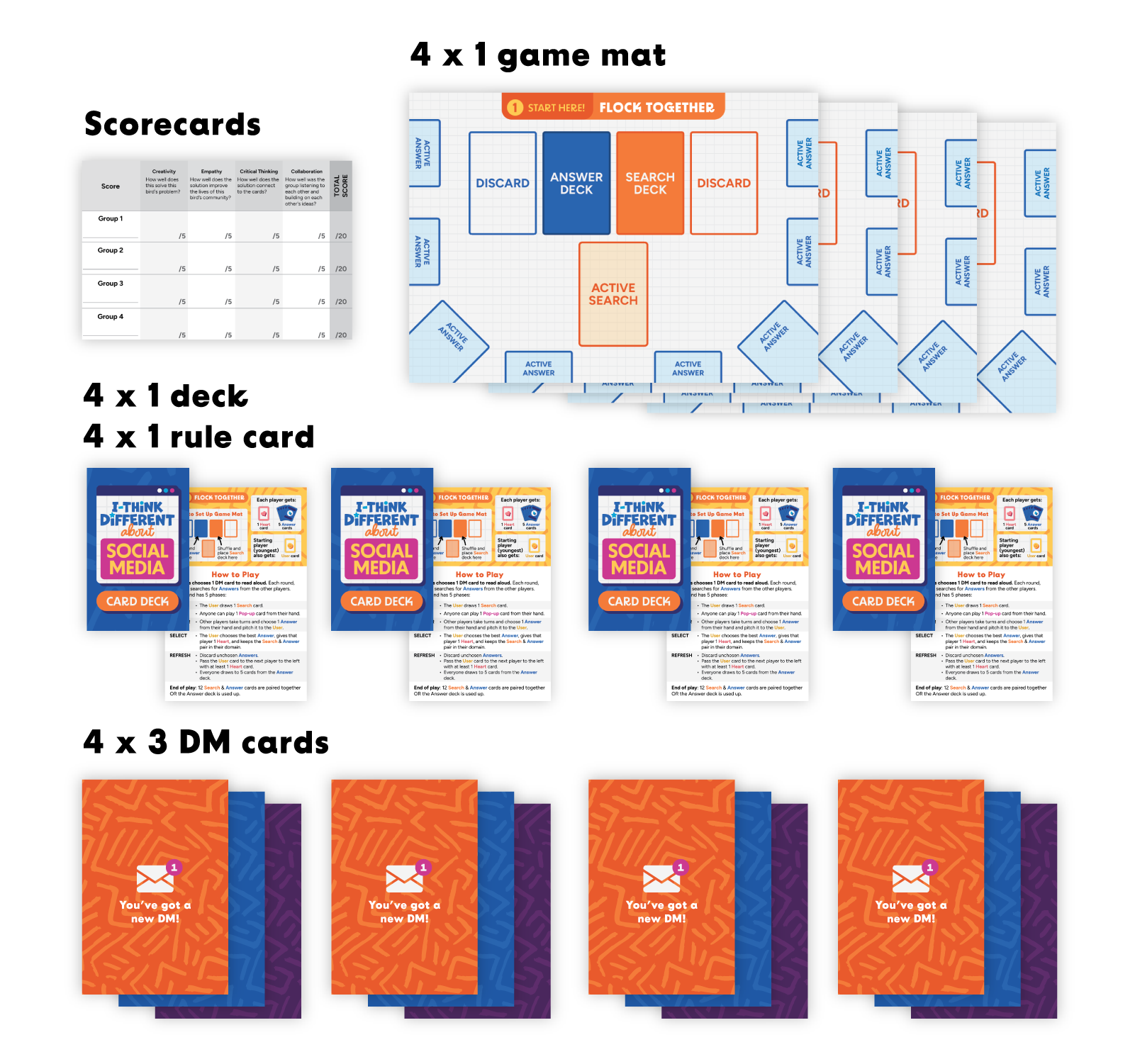
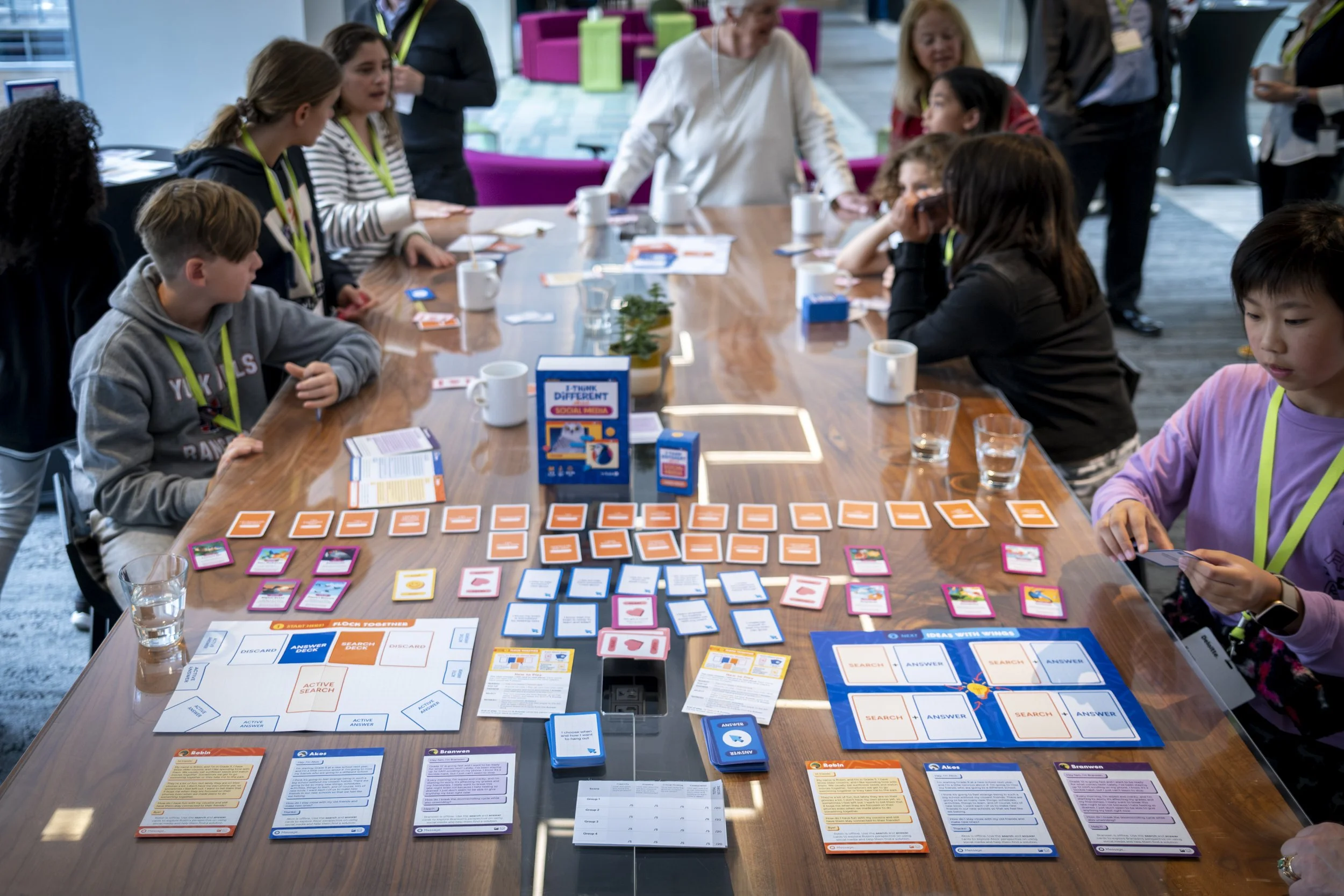
Each game box includes 4 game sets. Each game set is suitable for 3 to 8 players, and contains:
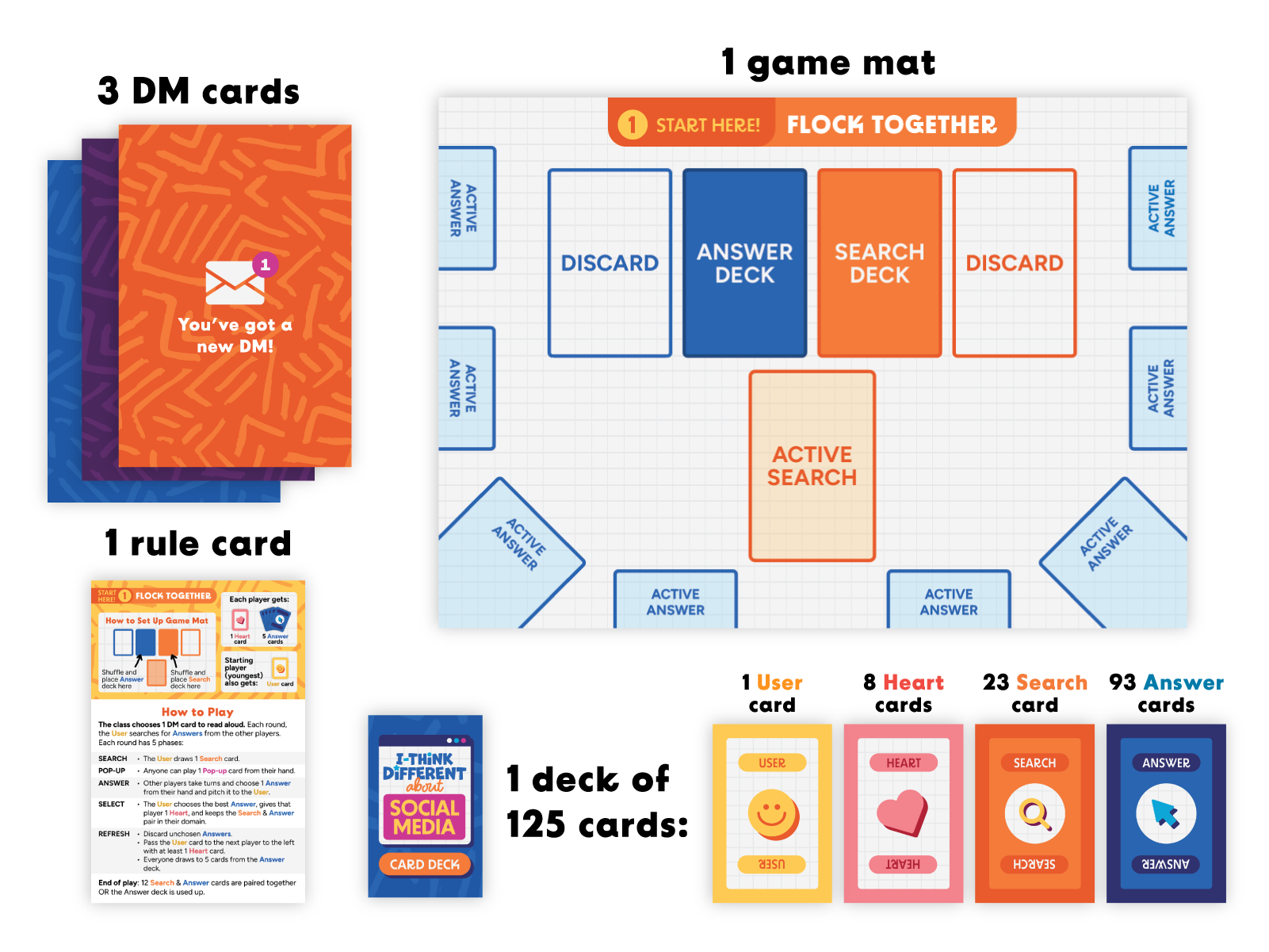
1 deck of 125 game cards:
1 User card
8 Heart cards
23 Search cards
93 Answer cards
1 game mat
3 DM cards
1 rule card
The game box also contains 1 pad of scorecards for the teacher/facilitator.
Classroom Set-Up
To play I-Think Different: About Social Media as a class…
Organize your classroom into up to 4 groups of 3 to 8 students. Give each group 1 game set. Consider organizing groups so that each group is composed of a diverse group of learners. If your class has more than 32 students, you can use more than 1 game box. Alternatively, students can pair up and play together as a single player.
To start a game with your class, consider choosing 1 DM card for all of the groups to use in common.
When your class nears the end of the game and your students are preparing to pitch their creative solutions, consider inviting students who are the same age as the character on the DM card to watch the pitches and help score the groups.
How to Start
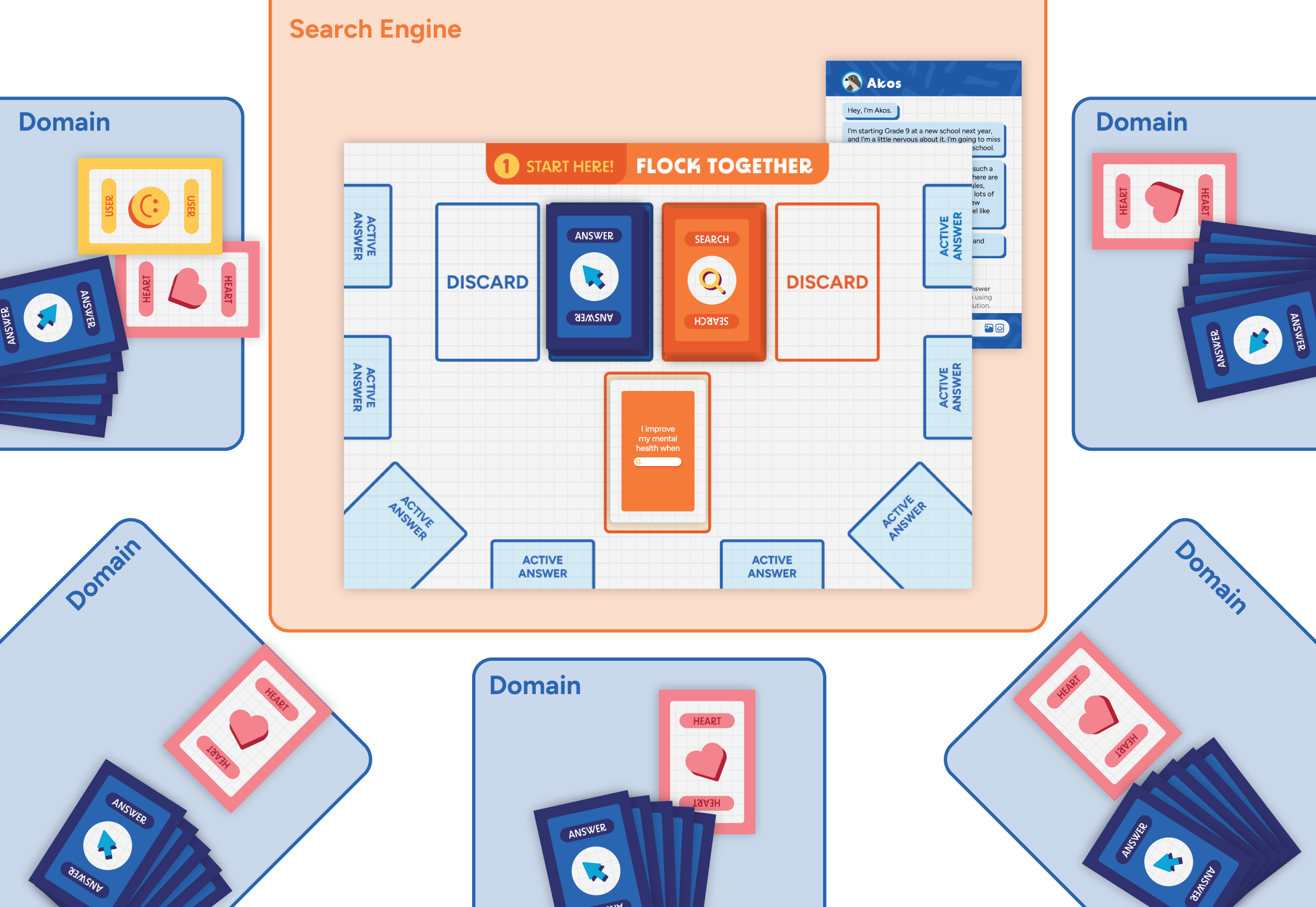
Shuffle together all cards with the orange Search cardback. These cards will make up the Search deck. Place the Search deck on the game mat.
Shuffle together all cards with the blue Answer cardback. These cards will make up the Answer deck. Deal 5 cards from the Answer deck into each player’s hands. Place the remainder of the Answer deck on the game mat.
Give each player 1 Heart card to place in the player’s domain.
Give the starting player the User card to place in the starting player’s domain. The starting player is the youngest player.
Choose a DM card to start the game and read it out loud. Place the DM card in the Search Engine.
Part 1: Flock Together
This is the first stage of the game. In each round of Flock Together, the User searches for answers provided by the other players.
Each round is made up of 5 phases:
Search phase: The User draws a Search card and reads it out loud.
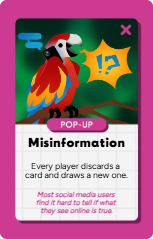
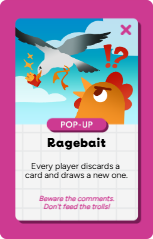
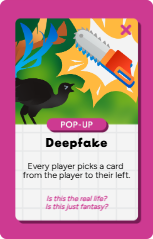
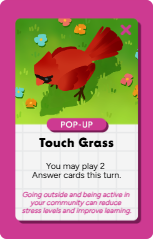
Popup phase: Any player can play a Popup card from their hand. Resolve the card effects immediately as indicated.
Answer phase: Players take turns going clockwise playing Answers. To play an Answer, the player must pitch to the User how the Answer card best completes the Search prompt.
Select phase: The User chooses an Answer card, and keeps the Search and Answer card pair in their domain. The User gives a Heart card to the player that pitched the chosen Answer card.
Refresh phase: Discard remaining Answer cards. Everyone draws Answer cards until they have 5 cards in their hand. The User passes the User card to the next player with a heart card in a clockwise direction.
Rounds continue until 12 Search & Answer cards are paired together, or the Answer deck is used up.
How to Play Video (French)
How to Play
Part 2: Ideas with Wings
This is the second stage of the game. To set up Ideas with Wings flip over the game mat and discard all cards in the Search Engine.
Players keep the Heart cards and Search & Answer card pairs in their domains from the previous stage, and discard their hands and the User card.
Arrange the Search & Answer card pairs in the center of the Search Engine. Get a big piece of paper and writing tools for the group.
As players brainstorm together in this stage, Ideas with Wings does not have any rounds. However, there are 4 phases:
Hearts phase:
Players take turns clockwise, starting from the player with the most Heart cards, and place a Heart card on the Search & Answer card pair that is most helpful to your character. More than 1 Heart card can be placed on any card pair. Continue until all Heart cards have been used.
Converge phase:
Discard any Search & Answer card pairs that do not have any Heart cards on them.
From the remaining Search & Answer card pairs, work together to choose 4 card pairs that inspire. Arrange these 4 card pairs on the game mat, and discard the rest.
Mash-Up phase:
Work together to imagine solutions that combine the 4 Search & Answer card pairs remaining.
Draw your ideas.
Pitch phase:
Together, design 1 creative solution and create a pitch for it.
As a group, deliver your pitch to the class.
Give each teacher or pitch judge a scorecard to score your pitches.
End of the game: The best pitch wins!

Big Ideas About Social Media Handout
Students at the Student Leadership Day identified the big ideas that mattered most to them. They learned about brain development, social media and its impacts.
Minds-On Activity
In this activity, students explore how their own thoughts and feelings and the thoughts and feelings of the people around them can affect the choices they make. They will practice active listening, paraphrasing, and hearing diverse perspectives.
Through talking, sharing stories, and thinking deeply, they’ll learn what’s important to them and how to make balanced choices that support their well-being.
Instructions
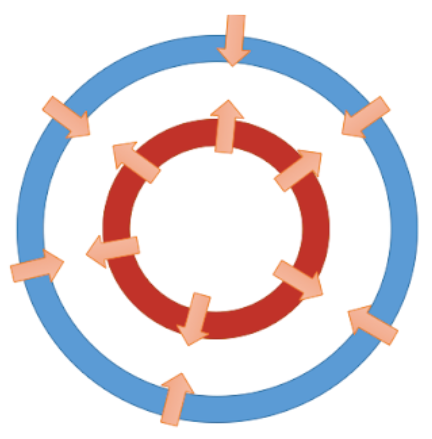
Students form two circles: the inner circle faces out, the outer circle faces in
Display and read a prompt aloud
Inner circle responds first
Outer circle paraphrases and adds their own response
Rotate outer circle 3–4 people to the right
Repeat using the same prompt
Outer circle responds, and inner circle paraphrases
Use any number of the following prompts:
What helps me focus is…
I feel most confident when…
When I play or hang out with my friends I learn…
When I think of social media I think of…
When I see adults scrolling on social media I think…
Adolescent Brain Development Readings
5 resources for teachers to read to become researched-informed.
Vocabulary List
| Word | Part of speech | Definition (Gr. 5) | Definition (Gr. 7) | Definition (Gr. 10) |
|---|---|---|---|---|
| Brain development | noun | As you grow, your brain changes too, helping you think, learn, and make choices in new ways. | The process of how the brain grows, builds connections, and becomes more capable of complex thinking and decision-making. | The biological and cognitive growth of the brain over time, influencing intellectual abilities, emotional regulation, and decision-making processes. |
| Clickbait | noun | A sneaky title, post, or picture online made to get you to click, that isn’t what it seems. | A misleading or sensational online title, post, or image designed to grab attention and trick people into clicking. | Deceptive or sensationalized online content designed to attract attention and encourage clicks, often at the expense of accuracy or substance. |
| Deepfake | noun | A fake video, picture, or recording made with computers to seem real, but in fact isn’t true. | A digitally created video, image, or audio clip that appears real but is actually fake. | A hyper-realistic but fabricated digital video, audio, or image created using artificial intelligence to imitate real people or events. |
| Device | noun | A tool like a phone, tablet, or computer that you can use to go online, use social media, play games, or use apps. Often, devices have screens. | An electronic tool, such as a smartphone, tablet, or computer, used for communication, work, or entertainment. | An electronic instrument, such as a smartphone, tablet, or computer, used for accessing digital content, communication, entertainment, or productivity tools. |
| Digital detox | noun | Taking a break from devices with screens, like phones, games, and social media, for a longer period of time to rest your mind and body. | A planned break from using electronic devices to reduce stress and improve health. | A conscious, intentional period of refraining from using digital devices to promote mental and physical well-being. |
| Direct message (DM) | noun | A private message you send directly to someone on a social media app that no one else can see. | A private form of communication between two users on social media, not visible to the public. | A private form of digital communication between individuals on a social media platform, inaccessible to the public. |
| Domain | noun | The name of a website, like “google.com” or “youtube.com,” that you type to visit it. | The main address of a website, usually written in words, like example.com, so people can find it easily online. | A domain is the unique web address (such as “example.com”) that identifies a specific site on the internet, often representing an organization, business, or topic. |
| Doomscroll | verb | When you keep scrolling through lots and lots of news or social media posts online but you can’t stop and it makes you feel worse. | Continuously scrolling through negative or upsetting posts online, often increasing sadness or anxiety. | The compulsive consumption of distressing online news, leading to heightened feelings of anxiety, sadness, or helplessness. |
| Influencer | noun | A person online who is followed, liked, or trusted by lots of people. Influencers can make others want to buy things, change the way they think, or try new things. | A person who builds a large online following and affects opinions, behaviors, or buying choices. | A person with significant online presence who leverages their platform to influence public opinion, trends, or consumer behavior. |
| In real life (IRL) | adverb | Used to describe something that happens offline, like meeting your friends face-to-face instead of online. | Refers to events or activities that happen in the physical world, not only online. | Pertaining to activities or interactions occurring in the physical world, distinct from virtual environments. |
| Mindfulness | noun | Good habits that help you calm yourself, like paying close attention to how you are breathing or what you are feeling without getting distracted. | A mental practice of focusing attention on the present moment to reduce stress and improve well-being. | The practice of maintaining focused awareness on the present moment while calmly acknowledging one’s feelings, thoughts, and bodily sensations. |
| Misinformation | noun | Information that is false. People may share misinformation by accident or on purpose. | False or inaccurate information that is spread, often unintentionally. | False or misleading information spread regardless of intent, which can distort public understanding. |
| Offline | adverb, adjective | Not connected to the internet, when you use a device without going on websites or apps or when you are doing activities without a device. | Not connected to the internet; relating to activities done without screens. | Disconnected from the internet; relating to actions occurring without digital interaction. |
| Online | adverb, adjective | Connected to the internet often on a device, where you can visit websites, find information, play games, or talk to people. | Connected to the internet or able to access digital platforms. | Connected to or located on the internet, enabling access to information, services, or social platforms. |
| Ragebait | noun | A social media post that makes people angry on purpose so they comment or share it. | Content designed to provoke anger and increase reactions or shares. | Content deliberately crafted to provoke outrage or emotional responses to manipulate engagement metrics. |
| Scroll | verb | When you move your finger or mouse on a screen to see more social media posts, pictures, or videos. Most social media apps are made so you can scroll forever. | Moving a screen to view more posts, articles, or videos. Many social media apps are designed to scroll and display content endlessly. | Moving through digital content, such as posts, articles, or videos, by navigating on a screen. Many social media platforms are intentionally designed for continuous, infinite scrolling to maximize user engagement. |
| Search engine | noun | A website that helps you find other websites, pictures, or videos when you type in related words. | A tool that lets users search the internet by typing keywords to find websites, images, videos, or information. | A search engine is an online platform that indexes vast amounts of internet content and retrieves relevant websites, documents, and media based on user-entered queries. |
| Sleep hygiene | noun | Good habits that help you fall asleep easily and sleep well, like turning off screens before bed or getting enough exercise. | Healthy habits that support good quality sleep, like limiting screen time before bed. | A set of practices aimed at promoting high-quality, consistent sleep and improving overall health. |
| Social media | noun | Websites or apps where people share posts, pictures, and videos with other people, and talk to friends or followers. | Online platforms where users create, share, and interact with content and other users. | Digital platforms that enable users to create, share, and engage with content and virtual communities. |
| Touch grass | verb | When you take a break from screens and go outside in nature. | A slang expression meaning to go outside and enjoy nature after spending too much time online. | A colloquial expression referring to the practice of disengaging from digital spaces and reconnecting with the physical world for mental well-being. |
| User | noun | Someone who uses a website, app, or device to do things like play games, learn, or talk to friends. | A role in a system where a person interacts with software, websites, or apps to access services, information, or tools. | In software and digital systems, a user is any entity (usually a person) that interacts with a program, service, or platform, often requiring an account or specific permissions to perform actions within the system. |

Minds-On Activity
In this activity, students explore how their own thoughts and feelings and the thoughts and feelings of the people around them can affect the choices they make. They will practice active listening, paraphrasing, and hearing diverse perspectives.
Through talking, sharing stories, and thinking deeply, they’ll learn what’s important to them and how to make balanced choices that support their well-being.
Instructions
Students form two circles: the inner circle faces out, the outer circle faces in
Display and read a prompt aloud
Inner circle responds first
Outer circle paraphrases and adds their own response
Rotate outer circle 3–4 people to the right
Repeat using the same prompt
Outer circle responds, and inner circle paraphrases
Use any number of the following prompts:
Being present is important because…
Having a group of people change a habit is hard because…
It is important to have fun without screens because…
When I think of social media I think of…
In 5 years, I hope our relationship with social media is…
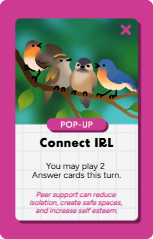

Our game world of Plumeria is filled with birds. Read below to learn more about them and why we chose the birds we did.
Snowy Owl
Bubo scandiacus
The Snowy Owl is a powerful hunter found in the Arctic tundra of northern Canada. It is one of the largest owls in North America, and known for its keen eyesight. It is significant in Inuit culture, and considered a source of wisdom and guidance. It is a Vulnerable species due to loss of habitat as a result of climate change.
Northern Hawk Owl
Surnia ulula
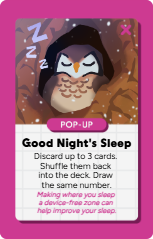
The Northern Hawk Owl is a sharp-eyed owl found in forests throughout Canada. It is a solitary bird that hunts in the day, and sleeps at night.
Though its hearing is not as good as some nocturnal owls, it can still find prey by sound, even under a foot of snow.
Canada Goose
Branta canadensis
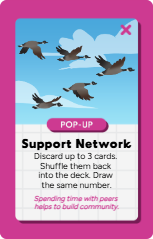
The Canada Goose is a large and iconic waterfowl found in waterways and urban areas throughout North America.
Known for their V-shaped flying formation when they migrate, flocks of Canada Geese fly south together in the fall and return to the same nesting grounds every spring.
Scarlet Macaw
Ara macao
The Scarlet Macaw is a large parrot found in the rainforests of Central and South America. It is a devoted partner that forms a bond with its mate for life, and is rarely found far from its other half.
Scarlet Macaws are very social birds that communicate to each other frequently and energetically when together. A flock of them can be quite the raucous bunch!
Chicken
Gallus gallus domesticus
The Chicken is a domesticated fowl raised mostly for food production all over the world. It is a fairly large bird that can only fly over short distances.
Chickens are social birds that live in flocks, and raise young communally. They are intelligent and can recognize human faces, solve puzzles, and pass knowledge on to others.
Superb Lyrebird
Menura novaehollandiae
The Superb Lyrebird is one of the world’s largest songbirds and found in rainforests of southeastern Australia. Known for its sophisticated song, it can accurately mimic sounds in its surroundings including chainsaws, car alarms, dogs, and other birds.
As a ground-dwelling bird only able to fly short distances, its populations are threatened by habitat loss, human interference, and hunting by domestic cats and other introduced species.
Northern Cardinal
Cardinalis cardinalis
The Northern Cardinal is a mid-size songbird found all across eastern North America year round. Known for its bright red feathers, the male Northern Cardinal gets its colour from pigments in the seeds, insects, and berries it eats. It is a ground forager and sunflower and safflower seeds are a favourite food.
Originally found mostly in the southern USA, due to growing cities and warming climates they have slowly moved northward since the early 20th century.
Golden-crowned Kinglet
Regulus satrapa
The Golden-crowned Kinglet is a tiny songbird found in forests across North America. It is a curious and social bird that can be found in flocks that include other birds like Chickadees, Warblers, and Juncos.
Even though they are very small, Golden-crowned Kinglets survive cold winters in northern Canada by eating lots of insects and staying in constant motion during the day, and huddling together at night.
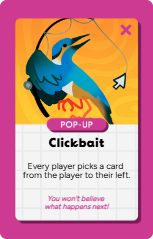
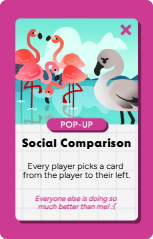
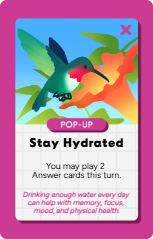
Blue Jay
Cyanocitta cristata
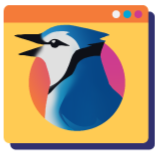
The Blue Jay is a loud and colourful songbird found in forests and suburbs throughout eastern North America. Like other Corvids, it is known for its intelligence and complex social systems.
Blue Jays love acorns, and may have helped oak trees to spread after the last ice age.
Common Loon
Gavia immer
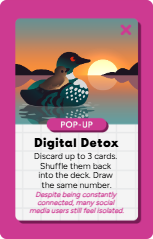
The Common Loon is an iconic water bird with a distinctive and haunting song found on lakes and waterways throughout North America. It is a fast swimmer and powerful diver well-equipped for life on the water, but less comfortable on land. It is the provincial bird of Ontario, and appears on the $1 coin.
Though it is not a threatened species, it is at risk due to climate change and mercury pollution.
Rock Pigeon
Columba livia
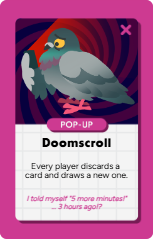
The Rock Pigeon is a common sight in urban areas around the world. Known for its sense of direction, it can navigate even when blindfolded by using the earth’s magnetic fields, the position of the sun, sound, and smell.
Wild populations originated in Eurasia where they were domesticated, perhaps as early as ancient Mesopotamia and Egypt. By the 17th century, they were working birds and were introduced throughout the world by humans.
American Herring Gull
Larus argentatus
The American Herring Gull is a large migratory seabird and a common sight in coastal and urban areas across North America. It is a very social bird and nests in colonies. It prefers freshwater, but like many seabirds it can drink seawater. Salt glands over their eyes allow them to shed the excess salt.
At the end of the 19th century, American Herring Gulls were nearly extinct due to overhunting. Their numbers have recovered, but industrial pollution is now the greatest threat to their survival.
Azure Kingfisher
Ceyx azureus
The Azure Kingfisher is a small quick bird found around waterways in Australasia. It does not live in the water, but it can dive deep to catch their food.
Known for its brilliant blue colour, its feathers look blue not because of pigments but because of the way light is scattered in the microscopic structures in its feathers.
American Flamingo
Phoenicopterus ruber
The American Flamingo is a social wading bird found in shallow waters around the Caribbean Sea. Known for its flamboyant colours, it has the brightest pink feathers of all 6 flamingo species. However, chicks hatch with white or grey feathers that turn pink from the pigments in the algae and shrimp they eat.
Though their populations have recovered from near extinction in the early 20th century, wild American Flamingos are concentrated in only 4 major colonies. As a result, they are threatened by habitat loss due to mining and human interference.
Ruby-throated Hummingbird
Archilochus colubris
The Ruby-throated Humminbird is a tiny migrating bird that can fly up to 800 km from the forests of eastern North America in spring to southern Mexico and Central America in winter.
Known for its ability to hover and fly precisely in any direction, including backwards and upside down, it must drink flower nectar and eat insects almost constantly in order to maintain this ability. In fact, it needs to drink at least half its weight in nectar every day just to keep going!

About the Game
Pedagogy and Story of I-Think
Our Real-World Problem Solving Journey is an opportunity for students to take actions on the issues that matter most. The Journey is underpinned by the problem solving methodology Integrative Thinking that asks students to consider benefits across differences as the building blocks to better answers.
Students have solved problems for organizations on issues from well-being to Artificial Intelligence, hunger to animal welfare, environmental sustainability to using art to bring communities together.
Studies show rising hopelessness and anxiety among youth, who often feel powerless to shape their world. Real-world problem solving engages students in deep thinking, developing agency, voice and confidence to share their thinking and recommendations on the challenges that matter to them. When we give students real, meaningful opportunities to shape their future, we are preparing them with optimism and confidence.
I-Think Different: About Social Media is a reflection of I-Think’s commitment to make real world problem solving accessible to all students.
Thank you, students! (How we built this game)
A lesson on game design
We started the journey with a trip to Snakes and Lattes to play! We interviewed their staff about what makes good game play and reflected on our own experiences of belonging, winning and teamwork through multiple games.
Cy also shared with us this website to help us understand the many, many, many, many mechanisms games use to be games. We had so much choice.
Many iterations of prototyping
We started with building a Pro-Pro Chart made from pre-filled cards and went from there! Each time we asked:
Is this fun?
Is it meaningful?
Is it reflective of what we most love about Integrative Thinking and Real-World Problem Solving?
The spark for this game was a 6 minute conversation with the question: How might we engage students in real-world problem solving on the use of social media? Could it be… what if it were… Any chance we could make… A board game inspired by the Real-World Problem Solving Journey?!
We said yes and worked with over 150 students to bring it to life. So, how do you build a game?
A Student Leadership Day
We were under no illusions about the many years that have passed between our middle school years and now. We knew that to make the content of the game meaningful to students, they had to create it.
150 students from every high school in the Waterloo Catholic District School Board joined us for a Student Leadership Day to create the content of the game. We split the day into two parts:
Learning About Social Media and Its Impacts: Students read articles, named what they found most interesting and relevant to them from the research and shared the learning with their peers. 1. We used this information to inform what themes and facts to include in the game. (After all, it is an educational game! There has to be learning.)
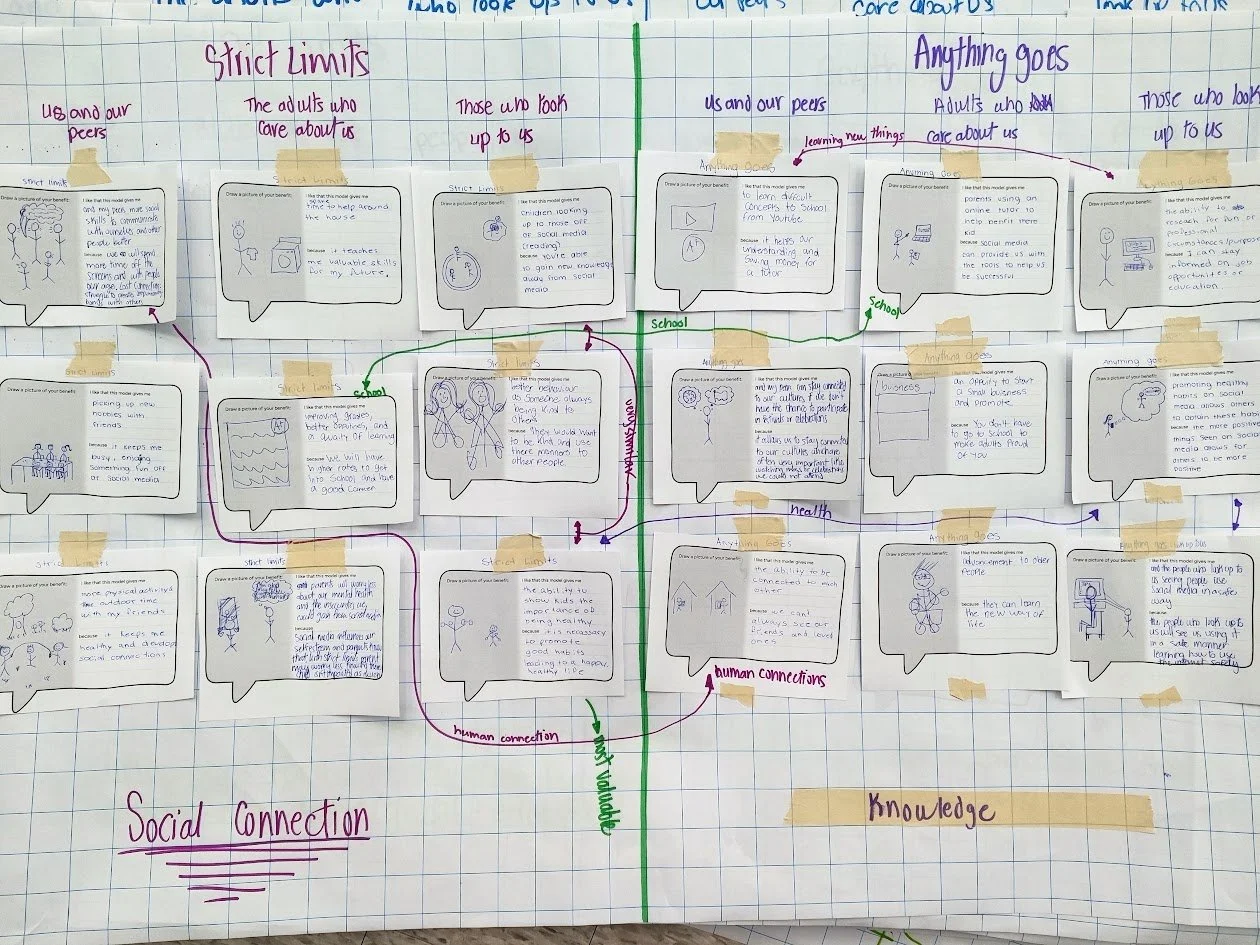
Doing a Pro-Pro: Students used the Pro-Pro framework from the Real-World Problem Solving Journey to write the benefits of different ways to engage with social media from different perspectives. We took pictures of all their work, and teachers walked around recording unique answers from different groups. These benefits are what make up the Search and Answer cards.
(Once we had the Search and Answer cards drafted, we shared them with students to get their feedback.)